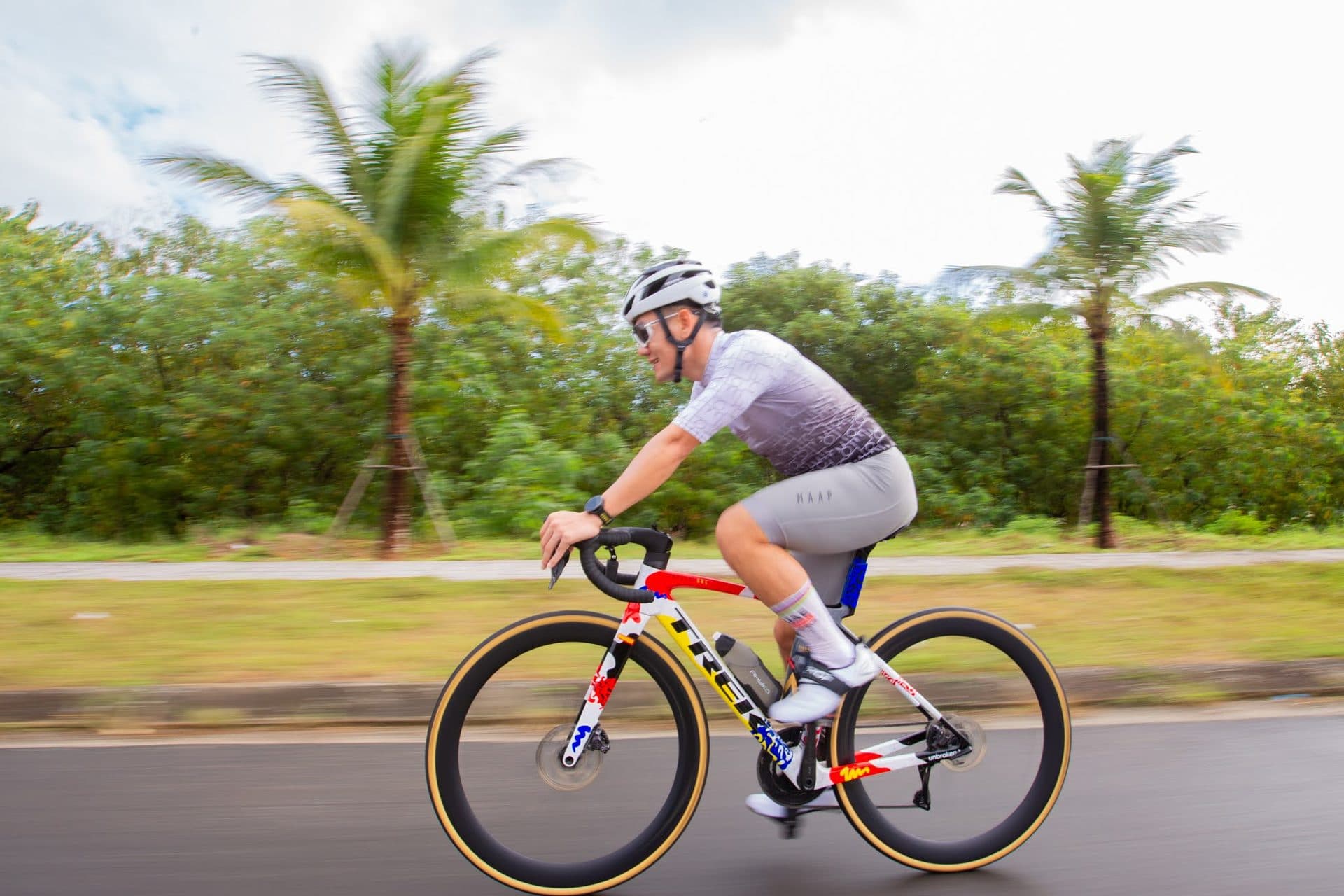
Heat · Kona · Physiology
Heat acclimatisation before Kona: what a week in Vietnam does that a sauna cannot
Heat adaptation builds in about two weeks, fades in days, and is a skill as much as a physiology. What a real heat block changes, and where a sauna protocol stops.
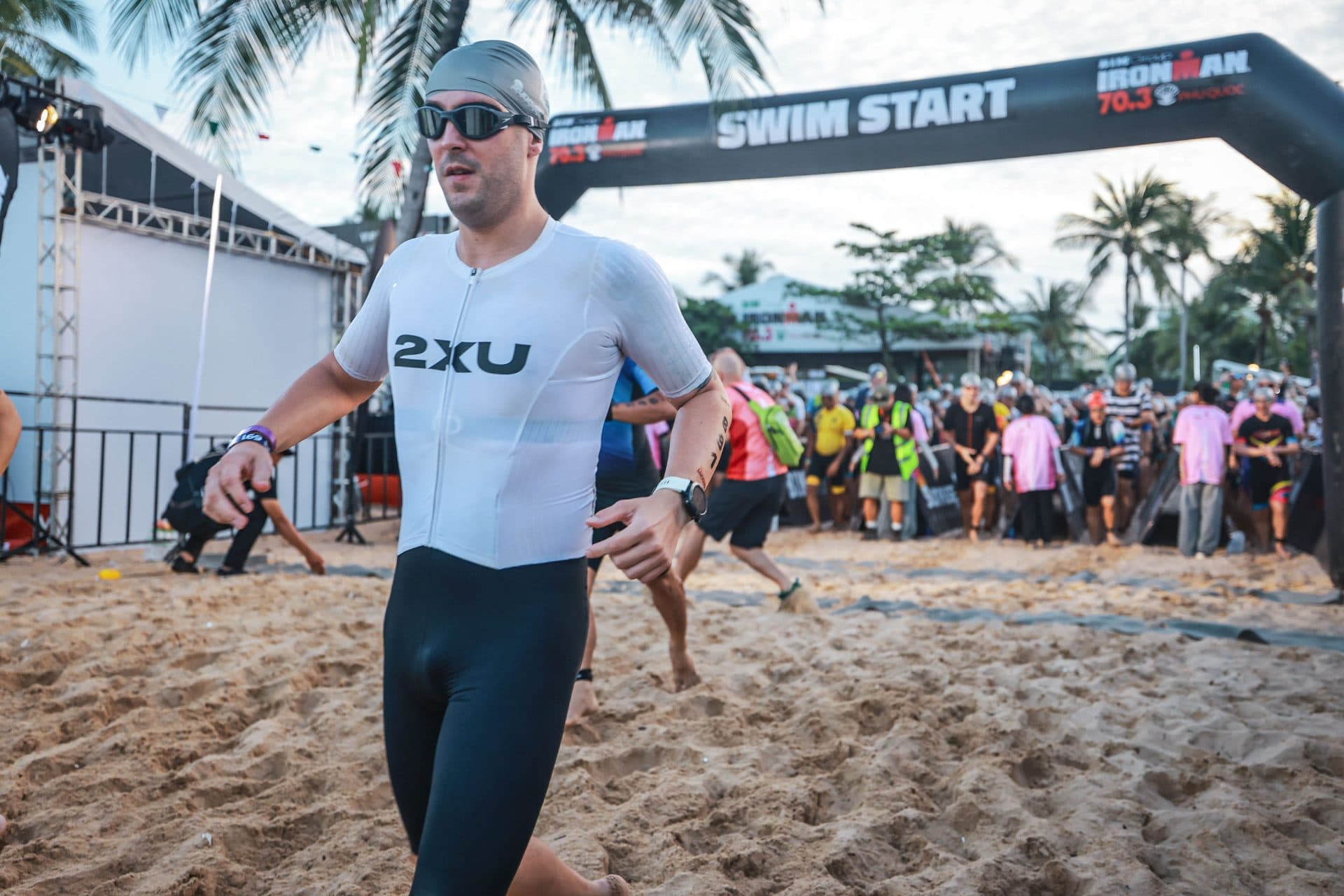
By Valerian · Founder & Performance Coach
· 6 min read
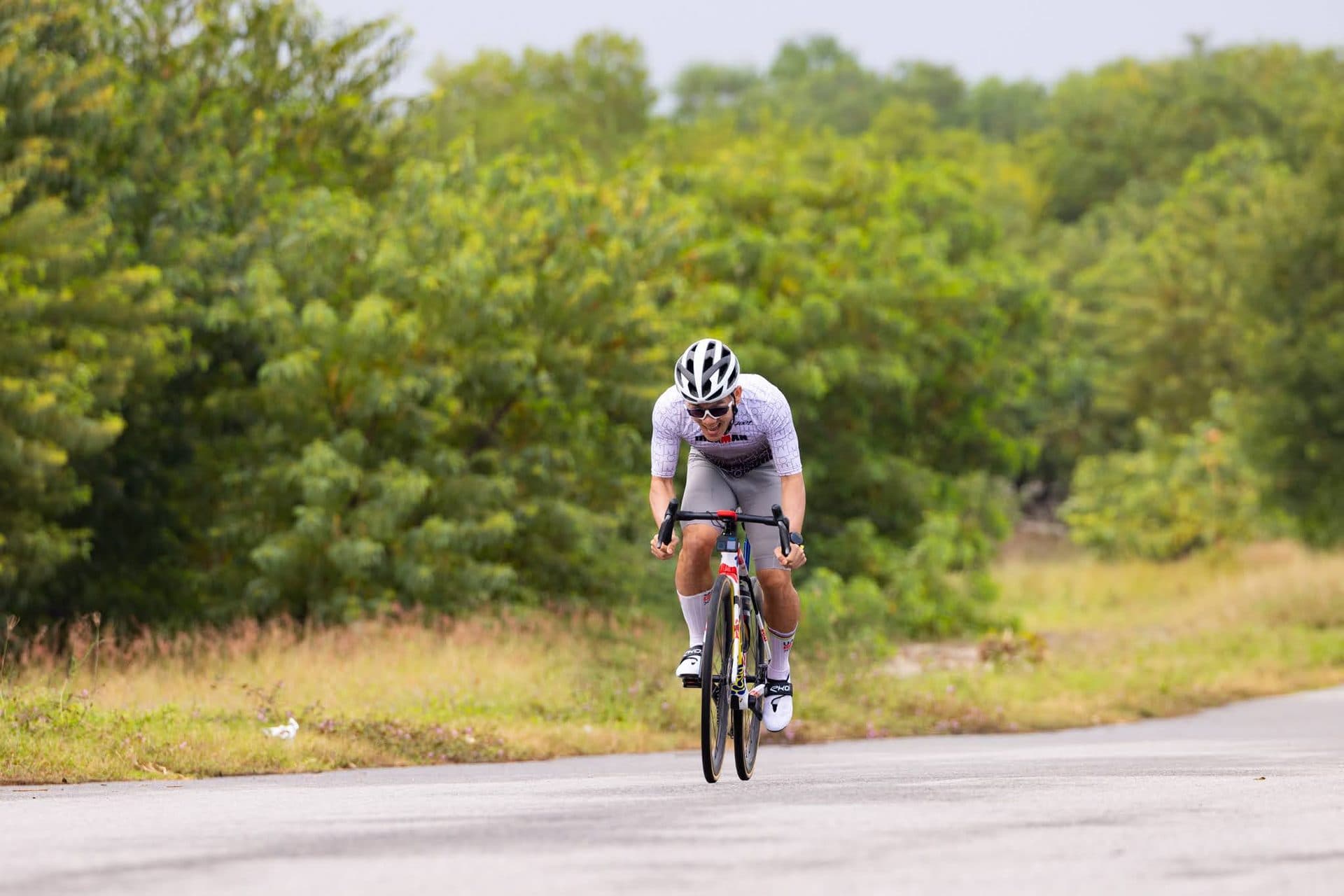
Every October a few thousand athletes fly to Hawaii for the IRONMAN World Championship, and a good share of them meet the heat and humidity of the Queen K for the first time on race morning. They have trained for the distance. Most of them have not trained for the air.
This is not a gap in willpower. Heat tolerance is a physiology, it is built the same way any other adaptation is built, and it is lost the same way too. Here is what the research says about building it, why it fades faster than people plan for, and what a week of real heat does that a hot bath in a European autumn cannot.
What heat acclimatisation actually is
Heat acclimatisation is a set of measurable changes that happen when you train in the heat repeatedly, day after day. Your plasma volume expands. You start sweating earlier and you sweat more, and that sweat becomes less salty, so you conserve sodium. Your heart rate and your core temperature at a given pace come down. Perceived effort comes down with them. None of this is mental, and none of it happens without repeated exposure.
The consensus recommendations on training and competing in the heat (Racinais and colleagues, 2015) put most of these adaptations inside the first week of daily exposure, with the full set arriving at around two weeks, provided the sessions are long enough to raise core temperature and keep it raised. Sixty to ninety minutes a day, in conditions that actually make you hot, is the shape of a block that works.
Two things follow from this. First, a single hot race-week rehearsal does nothing: the adaptations need days in a row. Second, it does not matter much whether the heat is real or artificial for the physiology to start moving. It matters a great deal for everything else, and we will come to that.
It fades faster than it builds
This is the part that calendar plans get wrong. A systematic review and meta-analysis by Daanen, Racinais and Périard (2018) put the decay of the heart-rate and core-temperature adaptations at roughly two and a half per cent per day once exposure stops. A block that finishes a month before the race has given most of its benefit back by the start line.
The same review found something more useful: re-induction is faster than the first block. Once you have been acclimatised, a few days of heat bring back most of what two weeks originally built. So the question is not how to time one perfect block. It is how to build the adaptation properly once, and then top it up in the last fortnight before you race.
That reframes what a heat camp in July or August is for. It is not the block that carries you to Kona on its own. It is the block in which you build the physiology fully, learn what your own body does in it, and leave with a protocol you can run at home in the final two weeks.
What a sauna can do, and what it cannot
Passive heating after training works, and the evidence for it is real. Post-exercise hot-water immersion (Zurawlew and colleagues, 2016) and post-run sauna sessions (Scoon and colleagues, 2007) both produced genuine acclimatisation markers in controlled studies, and both cost almost nothing. If you cannot travel, do them. They are the right answer to the physiology question, and they are the basis of the top-up protocol described above.
What a sauna cannot do is teach you to execute in the heat. Nobody drinks on the bike in a sauna. Nobody learns what a wind off the sea that does not cool you feels like at hour four, or how much sodium they actually lose, or what it costs to go one heart-rate zone too hard at ten in the morning when the road is already radiating. Those are skills. They are learned under load, on a road, with someone watching who has done it before, and the first time you learn them should not be in Hawaii with a number on your arm.
There is a second difference the studies rarely dwell on. A sauna is dry heat. Kona is not. In humid air your sweat does not evaporate, so it stops cooling you, and the same effort produces a much higher core temperature than the thermometer suggests. The central coast of Vietnam in July is that combination exactly: around 34°C, full humidity, and a sea wind that adds nothing. It is the one thing a European summer cannot rehearse.
What a week of real heat is built around
The July camp in Da Nang exists for this. The heat is the product, not the setting, and the week is organised around making it useful rather than merely unpleasant.
- Session times are placed where the heat is trainable. The main ride goes out before the day peaks; the afternoon slot is deliberately easy running in the heat, never a second hard session.
- Every evening, without exception, is spent on the same three questions: what you drank, how much sodium you took, and how you cooled. Not as a lecture, but as a debrief of what happened that day, with the numbers in front of you.
- There are two coaches on site for eight to twelve athletes, and one of them races in these conditions. The point of a small group is that someone sees you fade before you do.
- It is advanced only, and we mean it. Heat is a load. Adding it to an athlete who is not already carrying volume comfortably is not a training stimulus, it is a risk.
The August week in Nha Trang is the endurance version of the same idea: long coastal days in the heat, a sheltered bay for swimming every morning, and the same evening work. It closes seven weeks before an October race. July closes closer to eleven. Given what the decay research says, neither week gets you to the start line acclimatised on its own, and neither is meant to. They get you to the start line knowing what you are doing, with a protocol that has already been tested on you.
The honest version of the plan
If you are racing in Kona, or anywhere hot, here is the sequence that the research and our own camps point to.
- Build the adaptation once, properly: ten to fourteen days of daily heat, long enough to raise your core temperature each time. Do it somewhere hot and humid if you can, because that is where the skills get learned.
- Write down what you learned about yourself. Sweat rate, sodium, what pace was too fast at what temperature, what cooling worked. This is the part that survives the decay.
- Expect to lose most of the physiology in the weeks that follow, and do not panic about it.
- In the final two weeks before the race, re-induce: hot baths or sauna after training, or overdressed sessions, for a few days in a row. This is where the passive protocols earn their place.
- Arrive early enough to train in the race climate for the last few days. Nothing replaces them, and no camp claims to.
A week in July will not make Kona comfortable. Nothing does. It will make it familiar, and familiar is what you are paying for.
Where this is trained
The camps this article comes from
These are the weeks on the 2027 calendar where what is described above is actually trained. Each page has the week, the base and how to get there.
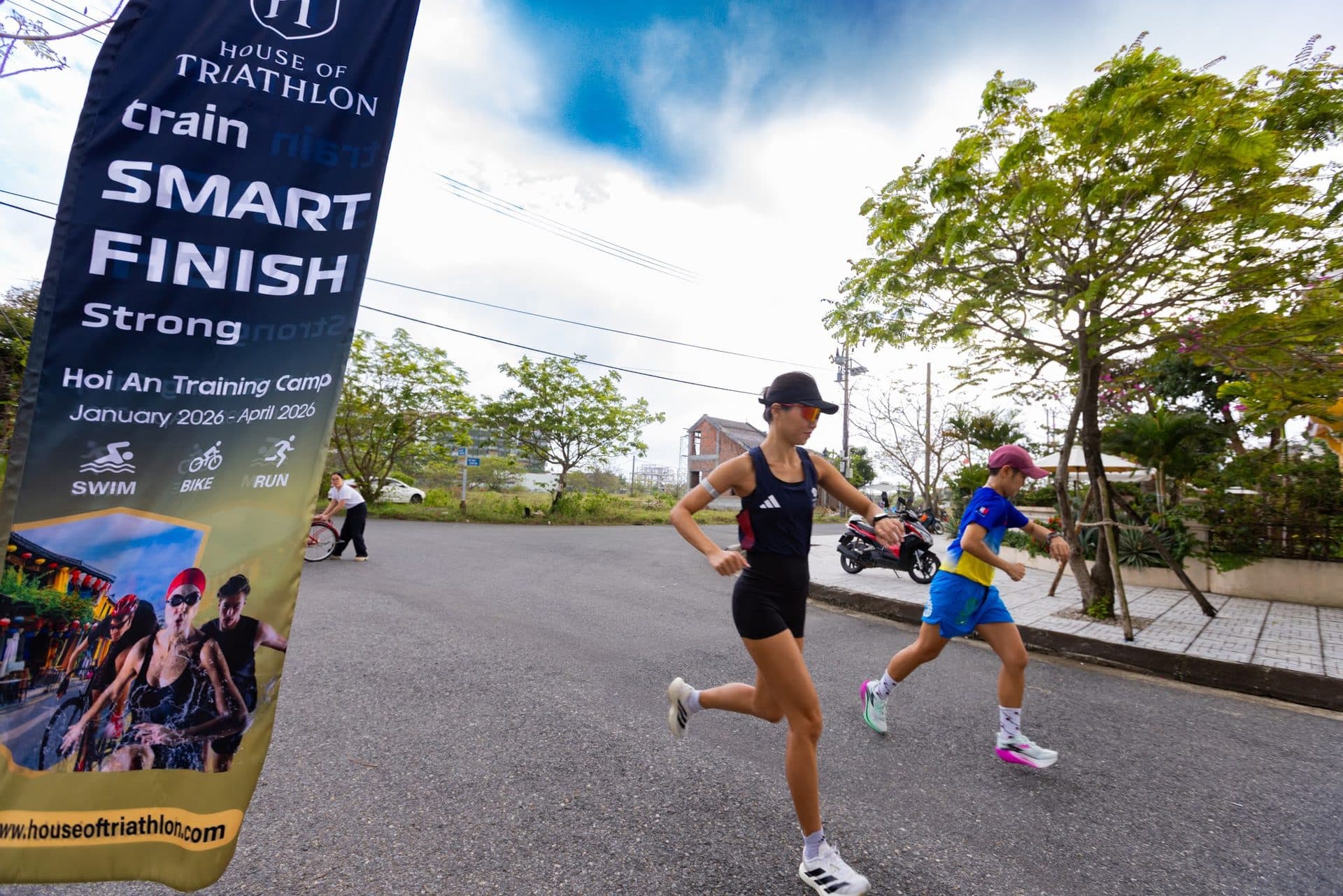
Peak Heat · Da Nang · July 2027
16 – 23 July 2027Da Nang / Hoi An
Heat Endurance · Nha Trang · August 2027
13 – 20 August 2027Nha Trang / Cam Ranh
House of Triathlon camp · Hội An 2026