Level · Practical · Camps
Am I fast enough for a triathlon camp? Here are the numbers
Every camp runs the same week, so the bar is a number you can test yourself: 400 m, three hours on the bike, 45 minutes running. And what if you drop the group?

By Valerian · Founder & Performance Coach
· 6 min read

The first question anyone has about a training camp is almost never asked out loud. It is "am I good enough for this?", and it has two versions that come from two very different athletes. One reads the camp page and decides it is probably not for her level, because she would be the slowest and would hold everyone up. The other reads the same page and decides he is not going to pay to ride alone while the group does three-hour rides at a pace he could do in his sleep.
Neither of them writes to ask. They just close the tab. So this article does what the camp pages should have done from the start: it gives you the numbers, and it tells you what happens on the road if a number turns out to be wrong.
Every camp runs the same week
Before the numbers, one fact that makes them simple. Each of the nine camps on the 2027 calendar publishes its week session by session, and eight of the nine carry exactly the same load: six swims, five rides, two or three runs in six days. The exception is Da Lat in September, which has no swim sessions at all and one structured session a day, with the afternoons free.
So the badge on each camp page, All Levels, Intermediate or Advanced, is not telling you how much you will train. You will train the same amount everywhere. It is telling you what the terrain and the air will do to those sessions. Intermediate means climbs, open sea and afternoon wind. Advanced means the same six days at 34°C with full humidity. The entry bar is the same across the calendar, and each level adds one constraint on top of it.
That also means the bar is the honest answer to the question. It is not "are you fast", it is "can you do six days in a row at this rhythm".
The numbers, level by level
We set these with three rules. Each one has to be something you can test yourself, this week, alone, with a watch and a pool: no lab, no power meter, no threshold test. The bike is written in time, not speed, because a speed depends on the wind, the road and the bike, and three hours in the saddle are three hours everywhere. And they are written as a description of who the week is for, not as a wall.
All Levels (February, March, June, October):
- Swim 400 m without stopping in under 9:00.
- Ride three hours in one go, and be able to start again the next day.
- Run 45 minutes continuously.
- Around six hours a week of training over the last two months.
Intermediate (April, May, September):
- Swim 400 m in under 8:00.
- One ride of four hours or 100 km in the last three months.
- Run one hour continuously.
- Around eight hours a week of training over the last two months.
Nha Trang and Da Lat add climbing, so for those two weeks we would like to see one ride with 1,200 m of elevation in your recent history. Da Lat has no swim, so the swim number does not apply there.
- Swim 400 m in under 7:30.
- One ride of five hours or 140 km in the last three months, and two consecutive days of three hours.
- Run 1 h 30 continuously.
- Around ten hours a week of training over the last two months, and a 70.3 or an IRONMAN already finished.
The Advanced bar is higher not because the week is bigger, but because the heat is. Six days of the same sessions in July on the central coast is a different physiological load from six days in February, and we want to know you have raced a long day before you meet it. The article on heat acclimatisation explains why.
Where a typical first-timer lands
Here is an athlete we hear from often: swims 400 m in about 8:10, holds 30 km/h on the flat on a good day, ran a half marathon in 1:52 last spring, trains seven to nine hours a week around a job and a family. She has never been on a camp and is fairly sure it is not for her level.
Read her against the list. She clears the All Levels bar without a discussion, and she clears the Intermediate bar on all three disciplines. She is exactly who the February and March weeks are built for, and she does not know it. That is the entire reason this article exists.
At the other end, the athlete who is worried about riding alone at 180 W while the group cruises: keep reading.
What happens if you can't hold the group
This is the part no camp writes down, and it matters more than the bar itself.
Rides split into two paced groups, with a coach in each, and the support vehicle sits behind the second group. You pick your group each morning, and you can change it on any day of the week, because being tired on Wednesday is what a training week does to you. Nobody rides home alone. Ever. Not in a country whose traffic you do not know.
We do not cap the level at the top either. Tuna is the fastest Ironman in Vietnam and he rides the front group. If you are stronger than that, you have found the right camp too, and you will have company.
The point of two groups is not to sort people. It is that the ride you get is the ride your legs can use that day, with a coach beside you either way, and that the group you are afraid of slowing down is never the only group on the road.
What we would rather you did
If you are under one of the numbers above, write to us before you book, not after. We would much rather move you to a different week, or tell you honestly that another year is the better plan, than have you arrive on the wrong camp and spend six days surviving it. The FAQ covers the practical questions, and the note on how the 2027 calendar was built will help you pick the month.
And if you are over them, and were quietly wondering whether a camp with "All Levels" on it would be worth your time: the week is six swims, five rides and two or three runs, in air and on roads you have not trained in, with two coaches for eight to twelve athletes. Come and find out what that does to you.
Where this is trained
The camps this article comes from
These are the weeks on the 2027 calendar where what is described above is actually trained. Each page has the week, the base and how to get there.
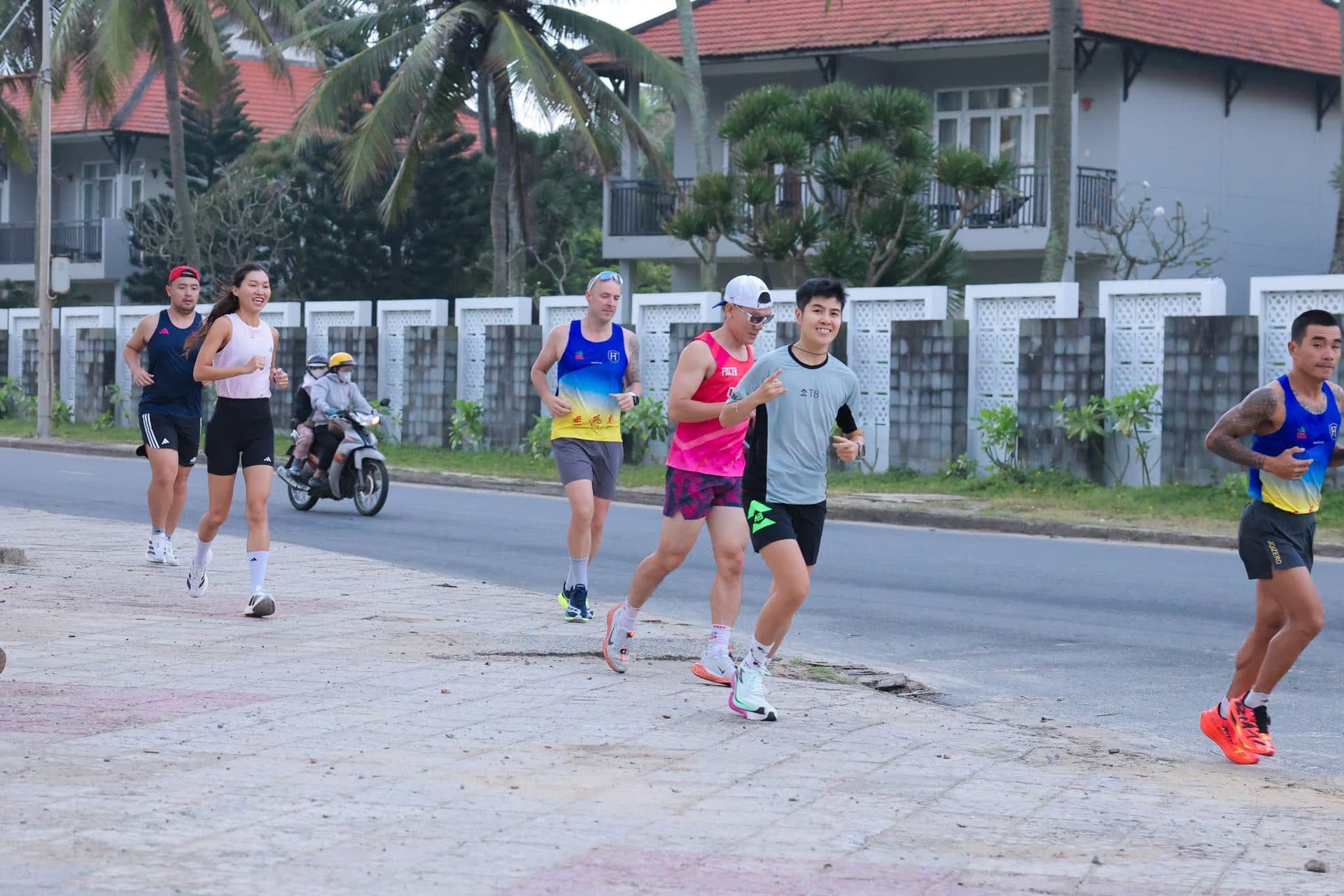
Central Coast · Da Nang · February 2027
19 – 26 February 2027Da Nang / Hoi An
Island Volume · Phu Quoc · March 2027
19 – 26 March 2027Phu Quoc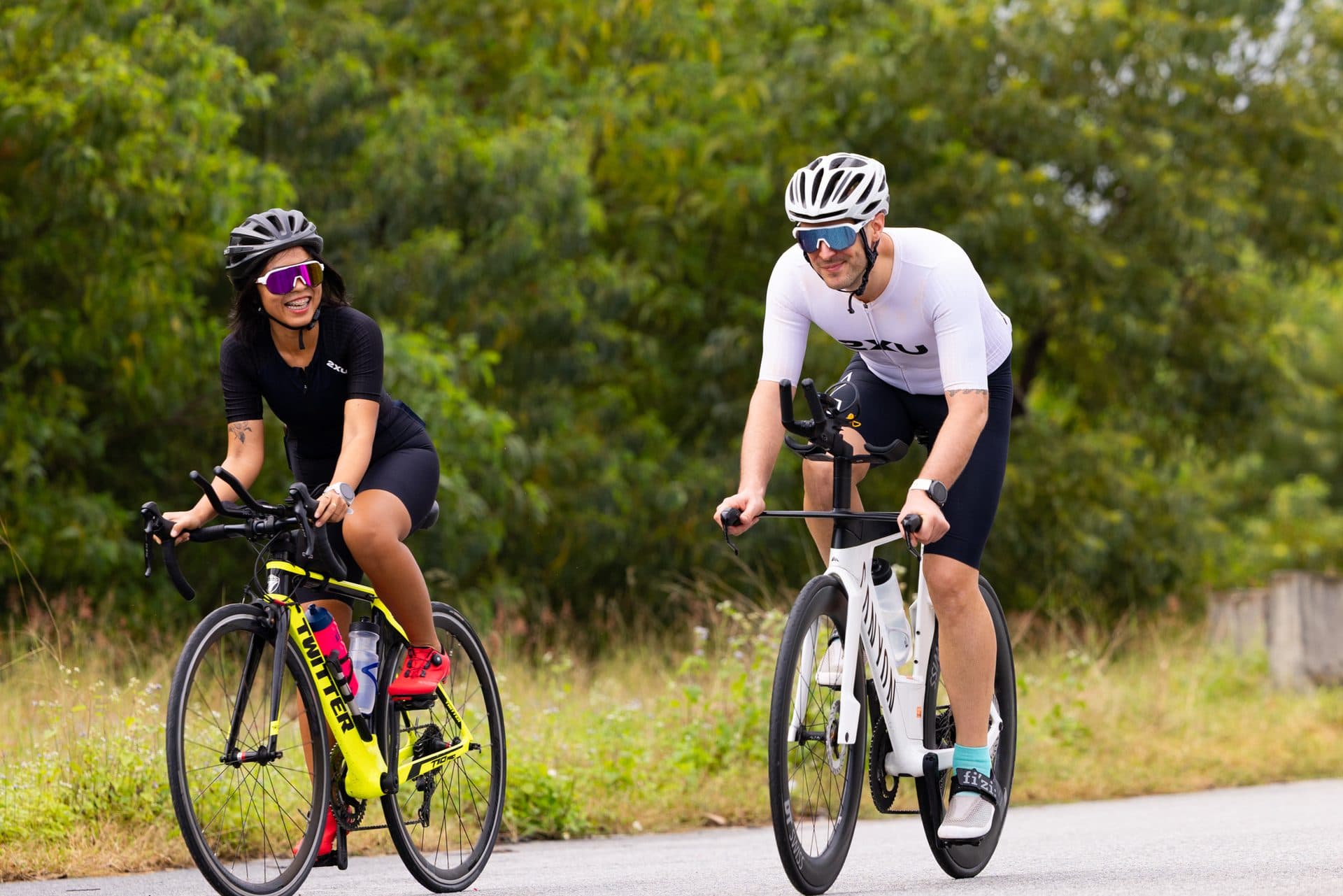
Quiet Roads · Quy Nhon · June 2027
18 – 25 June 2027Quy Nhon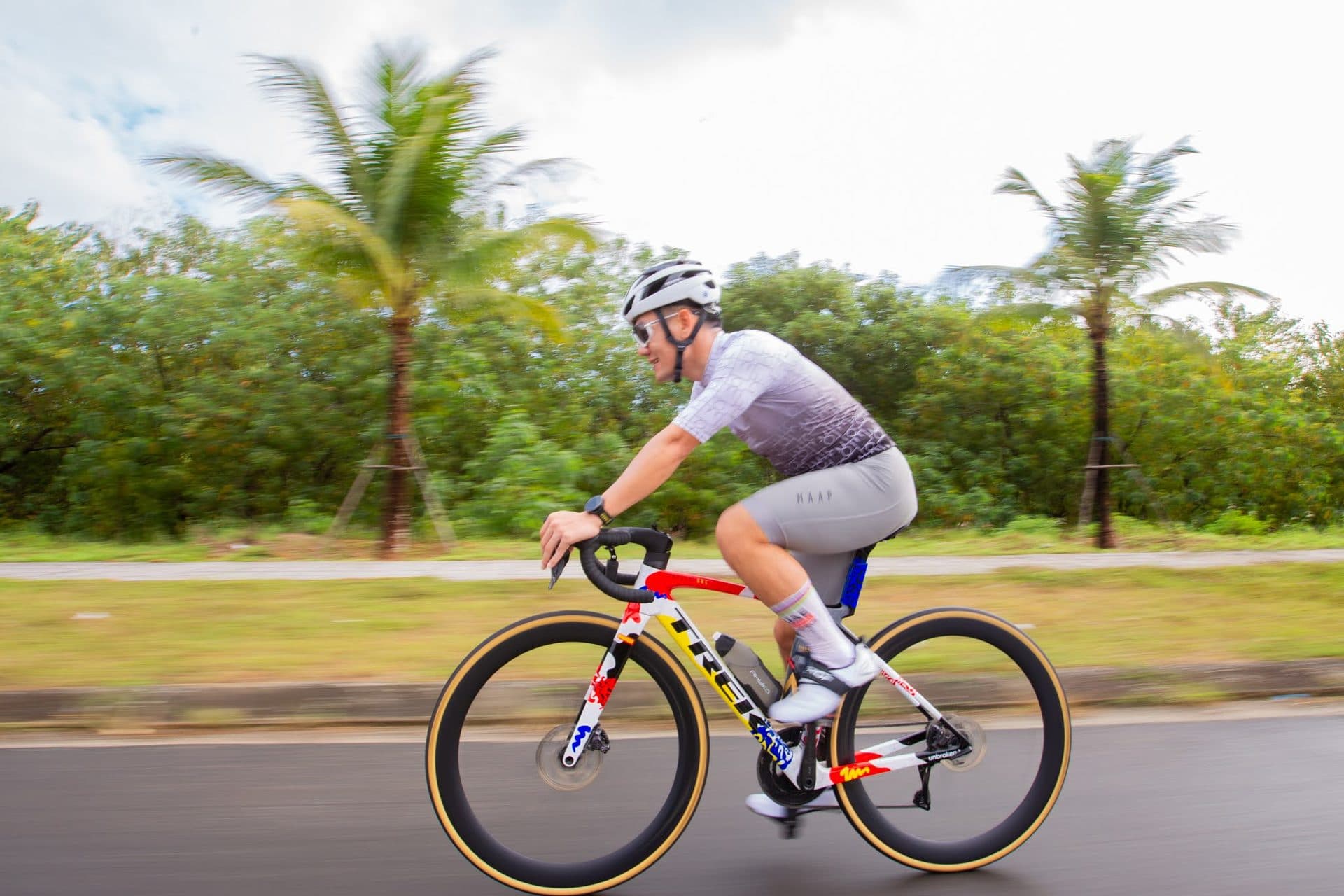
Karst Country · Ninh Binh · October 2027
15 – 22 October 2027Ninh Binh / Ha Long
House of Triathlon camp · Hội An 2026